Bamboo, Please! Meet the Red Panda
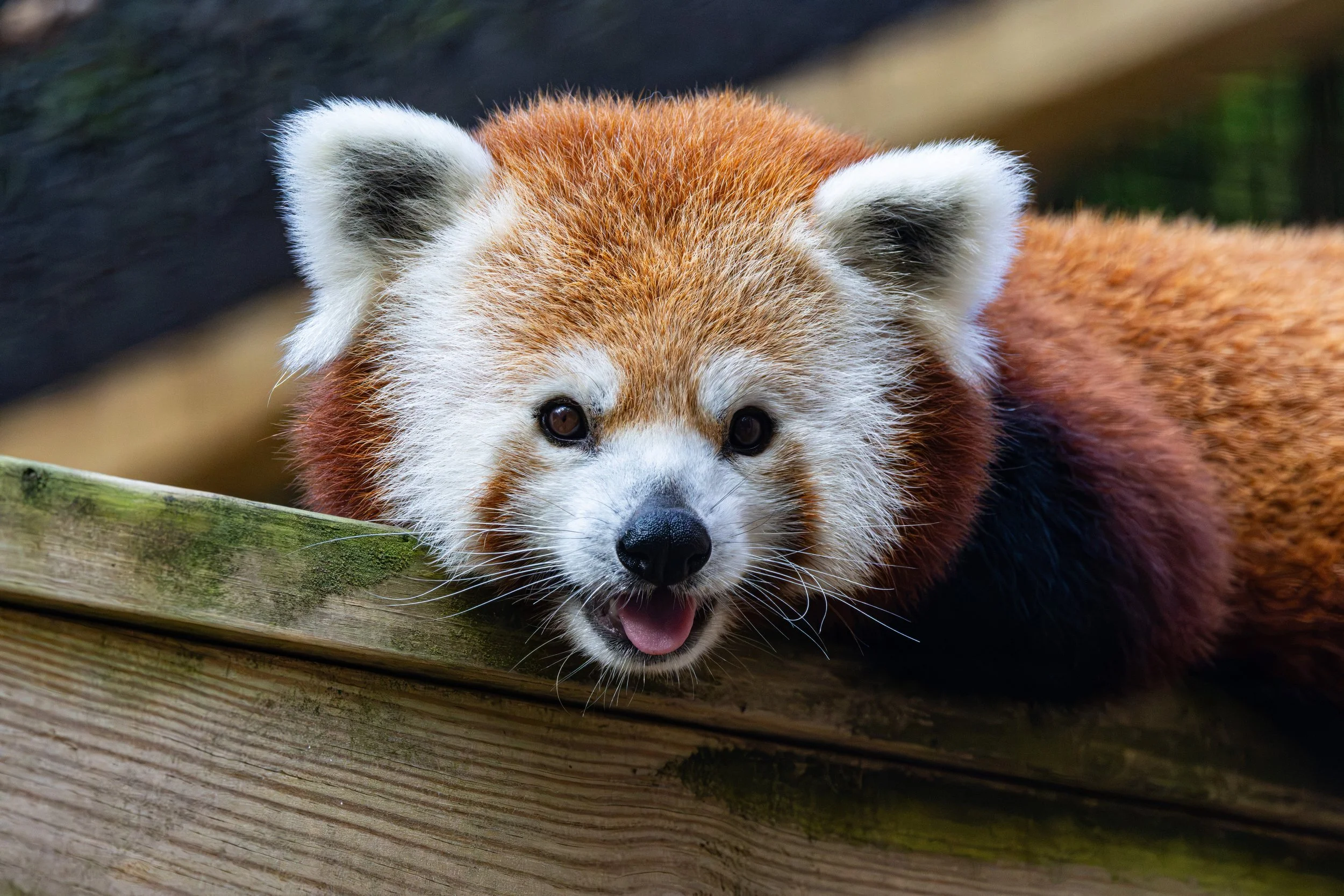
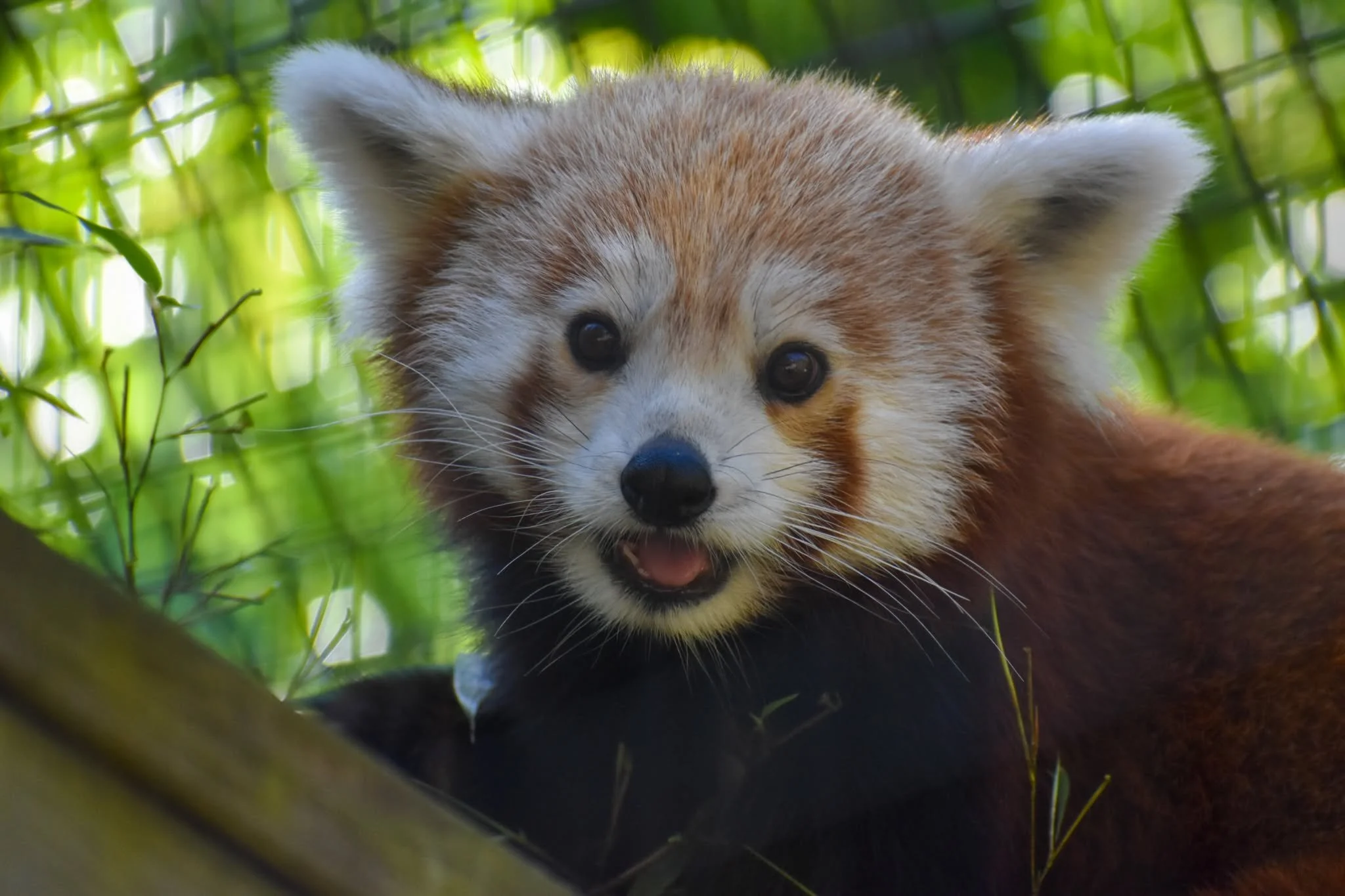
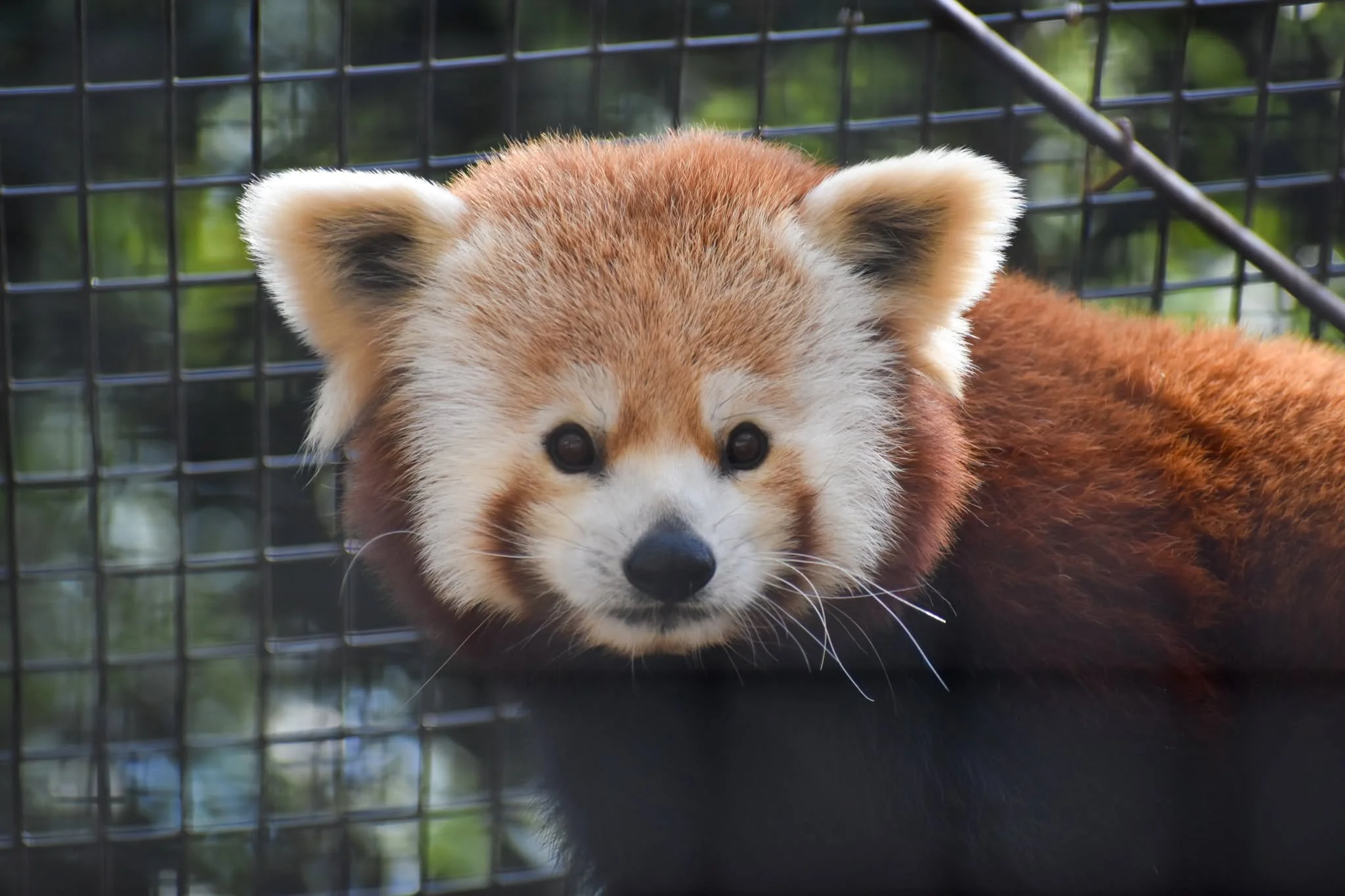
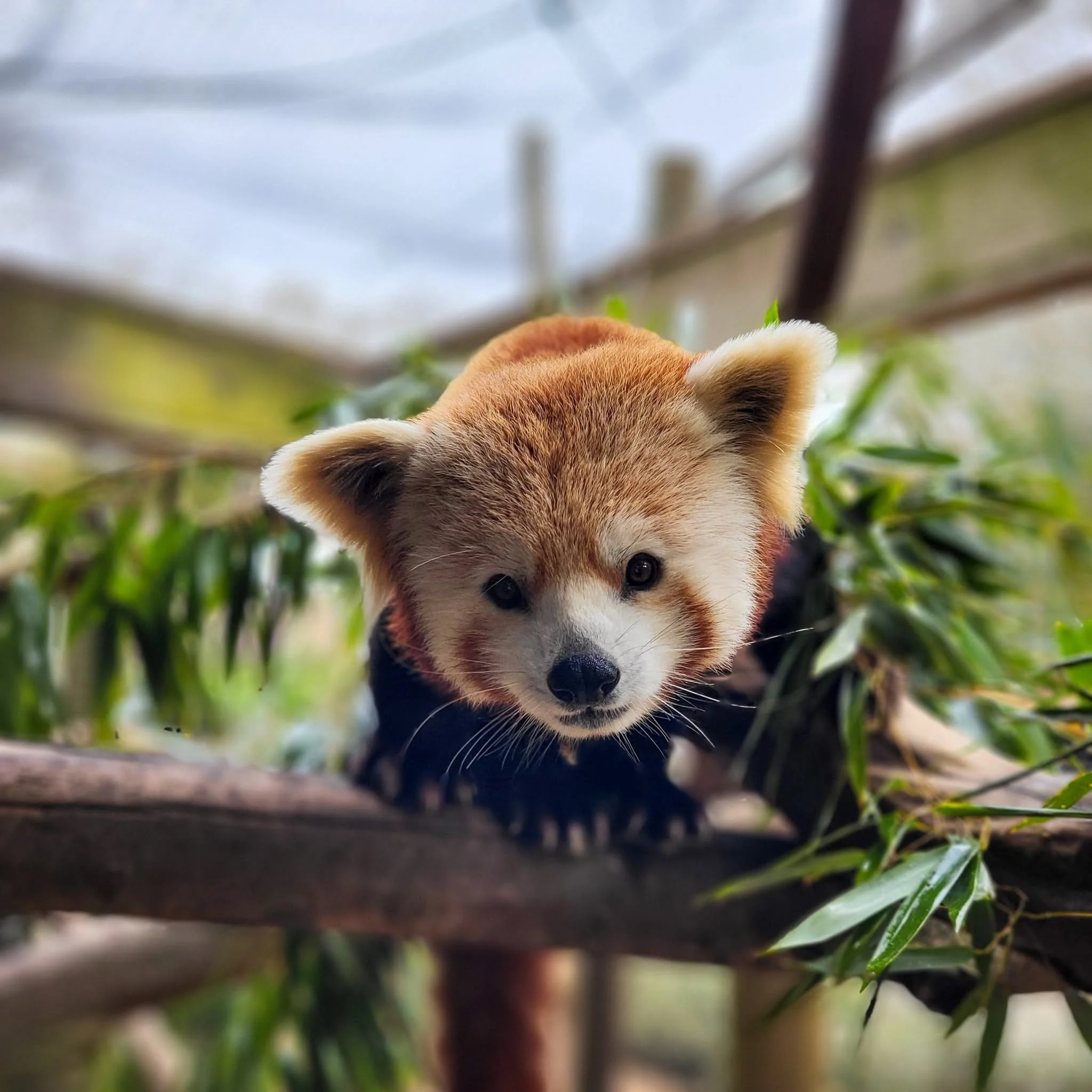
It’s hard to look at a red panda and not smile. With their reddish-brown fur, fluffy tails and expressive faces, these small mammals are one of the most recognizable animals in the Eastern Himalayas. But there’s much more to red pandas than their adorable appearance.
International Red Panda Day, celebrated on the third Saturday of September, is a chance to learn more about these unique animals and the conservation efforts working to protect them.
Red pandas (Ailurus fulgens) are native to the temperate forests of the Eastern Himalayas and southwestern China. They are excellent climbers and spend much of their time in trees, where their long, bushy tails help them balance and stay warm.
Despite their name, red pandas aren't actually closely related to giant pandas. Red pandas are the only living members of their own family, Ailuridae. The word "panda" is believed to come from the Nepali word "panya," meaning bamboo eater
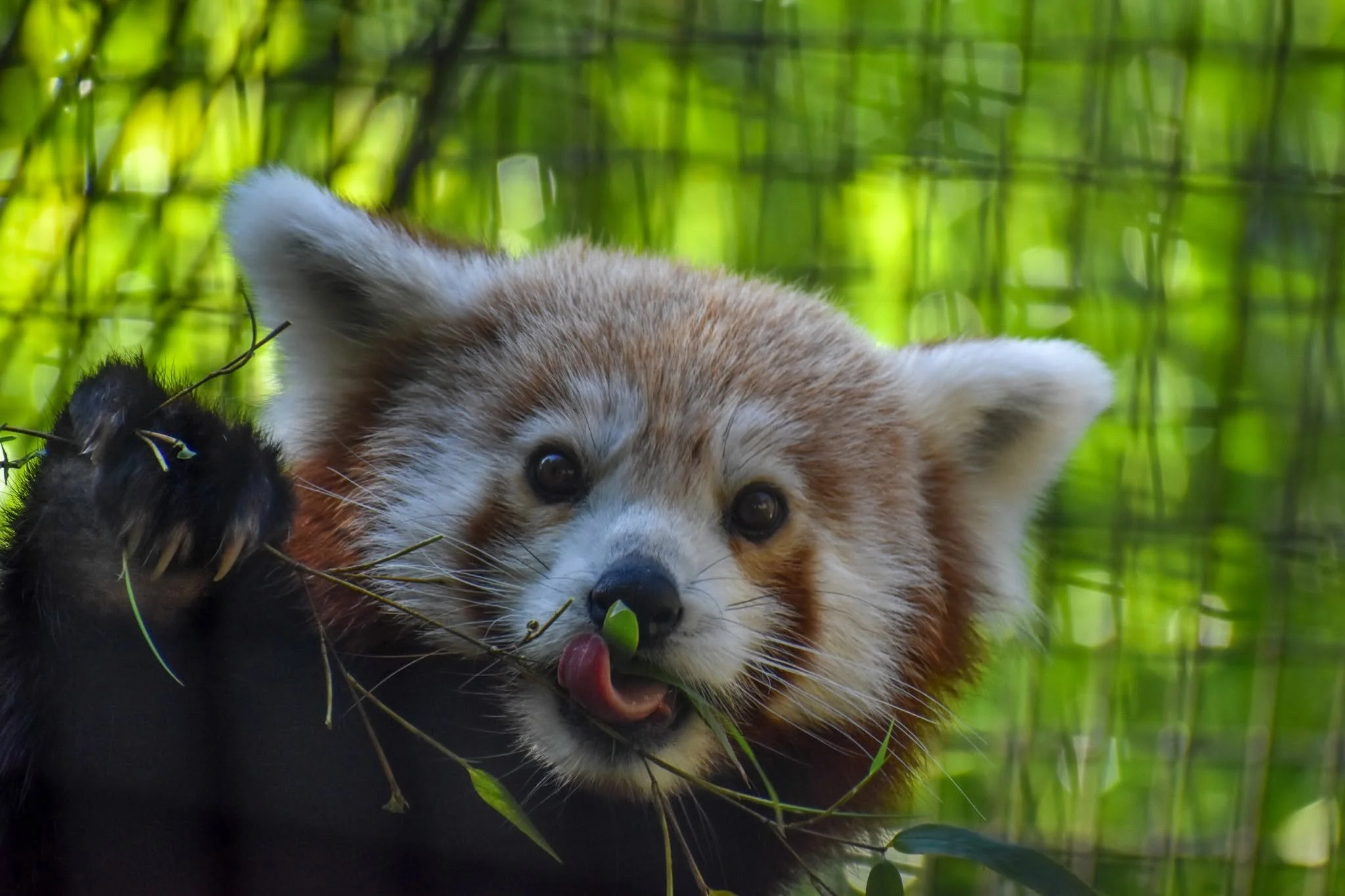
One of their most unusual features is their "extra thumb." Red pandas have an enlarged wrist bone called a pseudo-thumb, which helps them grasp bamboo while eating. Giant pandas have a similar adaptation, making bamboo easier for both species to handle.
Bamboo, Please!
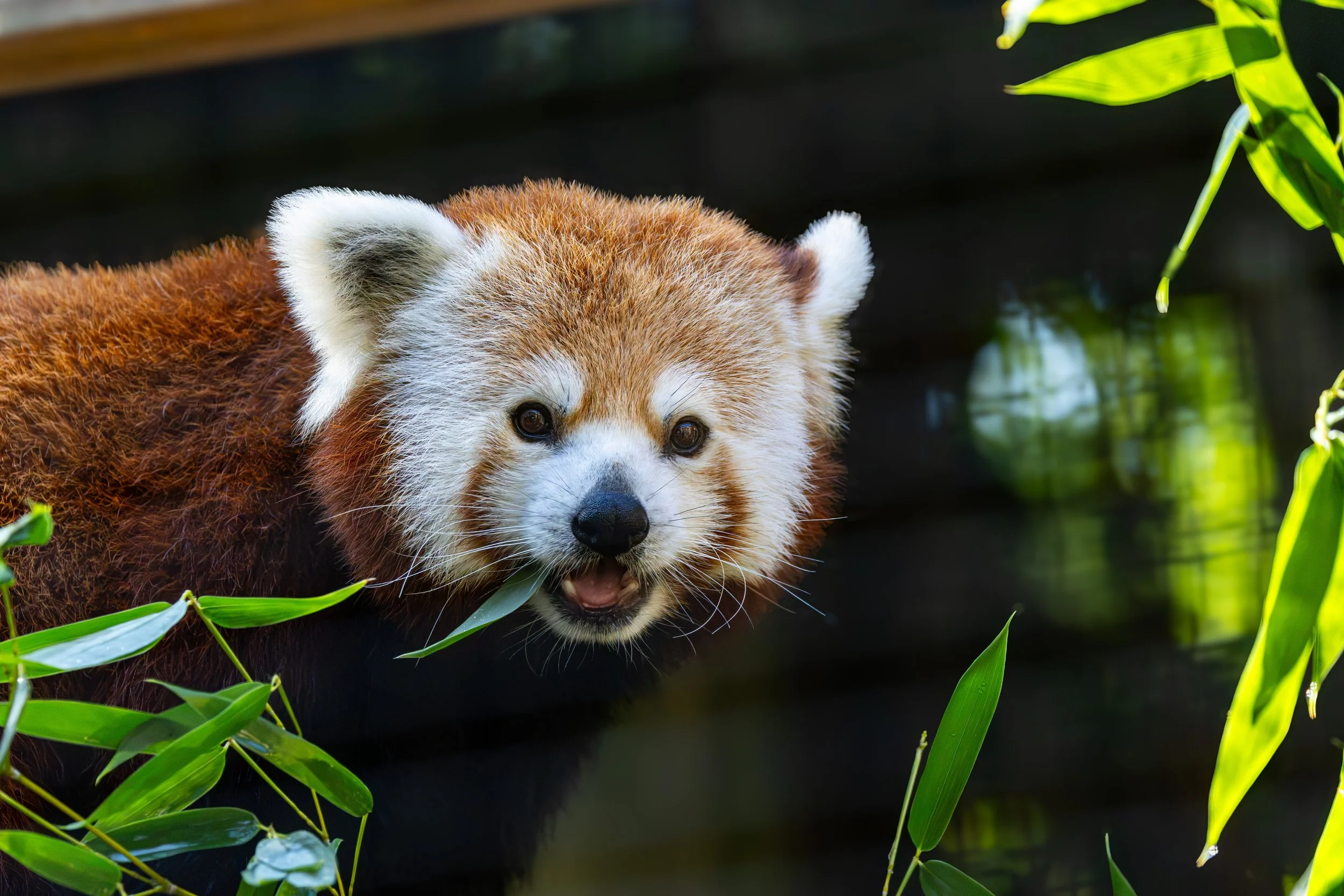
Speaking of bamboo, red pandas are serious about it. Bamboo makes up the vast majority of their diet, even though it provides relatively little energy. Because of this, red pandas spend a significant amount of time eating and foraging.
And they aren't just eating any bamboo they can find. Red pandas can be surprisingly picky eaters, selectively feeding on the most nutritious leaf tips and, when available, tender shoots.
Protecting Red Pandas
Red pandas are classified as Endangered by the International Union for Conservation of Nature (IUCN), and their populations continue to face significant threats in the wild.
One of the biggest challenges is habitat loss and fragmentation. Red pandas depend on forest habitat with bamboo, and forests throughout their range are increasingly affected by development, agriculture, livestock grazing and other human activities.
They also face threats from poaching and illegal wildlife trade, free-roaming dogs and the effects of a changing climate.
Fortunately, conservation organizations are working to protect red pandas and the forests they call home.
The Red Panda Network works with local communities in the Eastern Himalayas to protect and restore habitat, monitor red pandas and support community-based conservation.
Meanwhile, the Association of Zoos and Aquariums' SAFE: Saving Animals From Extinction® Red Panda program brings zoos, conservation organizations and other partners together to address threats facing red pandas in the wild. Zoos also contribute through education, research, conservation partnerships and coordinated population management through the Species Survival Plan® program.
Red Pandas at Greenville Zoo
Red Pandas at Greenville Zoo Red pandas have been part of the Greenville Zoo family for years. In 2022, the Zoo welcomed a male red panda named Neo from the Erie Zoo as part of a breeding recommendation for the species. Today, the Greenville Zoo continues to help connect guests with red pandas.
This International Red Panda Day, take a moment to appreciate these remarkable little climbers. They may be experts at looking cute, but they're also ambassadors for an ecosystem worth protecting.
Want to learn more about red pandas? Celebrate International Red Panda Day with us at the Greenville Zoo on September 19, 2026!